The following information outlines how I journey with my clients through their brand design transformation.
It all starts with the client brief. It is crucial to engage in thorough discussions about the client’s genuine needs to not just fulfill their requirements but also surpass their expectations.
Project Overview:
The client Provides a brief overview of the project, including the purpose of the brand design and any specific goals or objectives.
Target Audience:
Describe the target audiences for the brand design. Include demographic information and any other relevant characteristics.
Brand Personality:
Define the personality and values you want the brand to convey. Use adjectives and descriptive terms to capture the desired brand image.
Competitor Analysis:
List key competitors and analyse their branding. Highlight what sets your brand apart and any design elements you’d like to avoid.
Design Requirements:
Specify the design elements required for the project, which may include:
Logo design
Colour palette
Typography
Imagery and graphics
Branding guidelines
Design Preferences:
Share any design preferences, such as styles, themes, or design elements you would like to see incorporated into the brand design.
Mandatory Elements:
List any elements that must be included in the brand design, such as existing logos or specific slogans.
Budget:
Indicate the budget available for the project. This helps the designer understand the scope of work and make appropriate recommendations.
Timeline:
Provide a timeline for the project, including key milestones and deadlines.
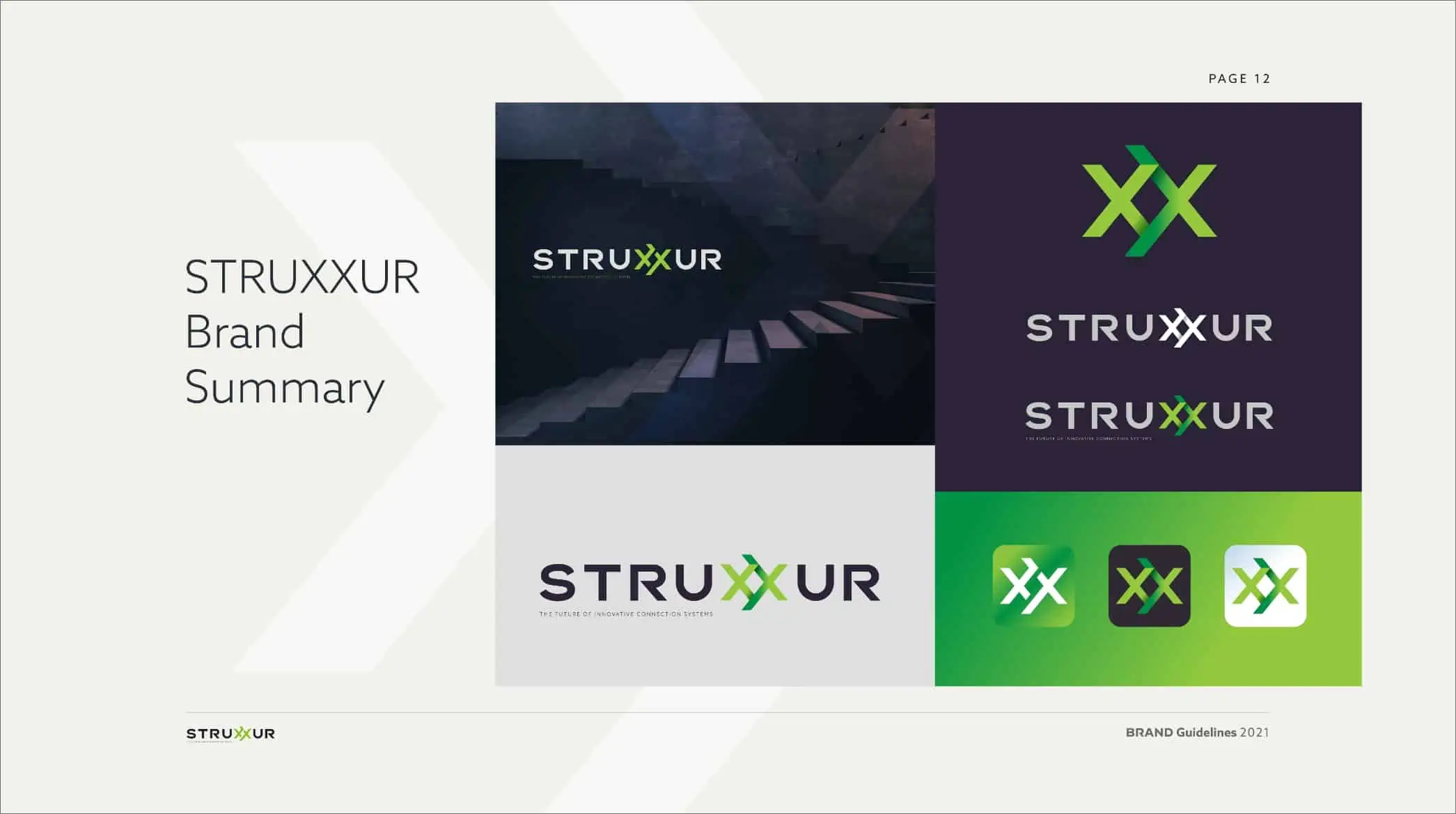
When creating a brand design, multiple design directions are crafted and developed to present to the client. In this specific case, four distinct creative directions were created for the client’s review. Each option represented a different approach to showcasing the ‘XX’ lettering distinctively, highlighting the uniqueness of the product name.
For each of these options, I provided a comprehensive explanation of the design rationale, colour scheme, typography choices, and any distinctive design elements. I demonstrated how these concepts effectively aligned with the project’s objectives.



After receiving feedback from the client on the design concepts, a preferred design direction will be chosen for further refinement.
I will then proceed to elaborate on how the design will be implemented across different colour formats and mediums.


Corporate identity guidelines are a set of documented rules and recommendations that outline how a company’s brand should be presented and used across various media and communication channels. The guidelines are essential for maintaining a consistent and cohesive brand image and identity.
key components typically included in corporate identity guidelines :
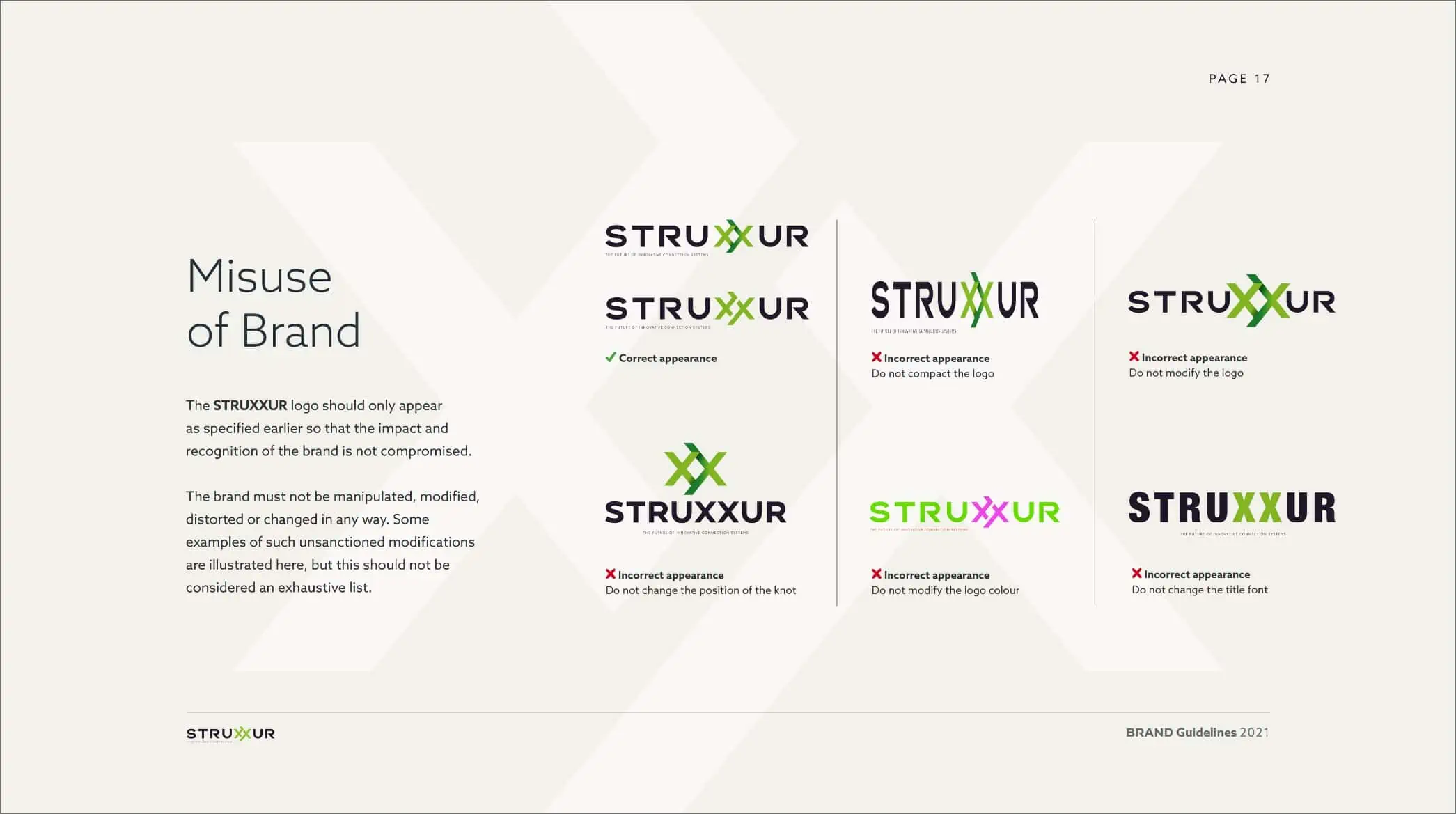
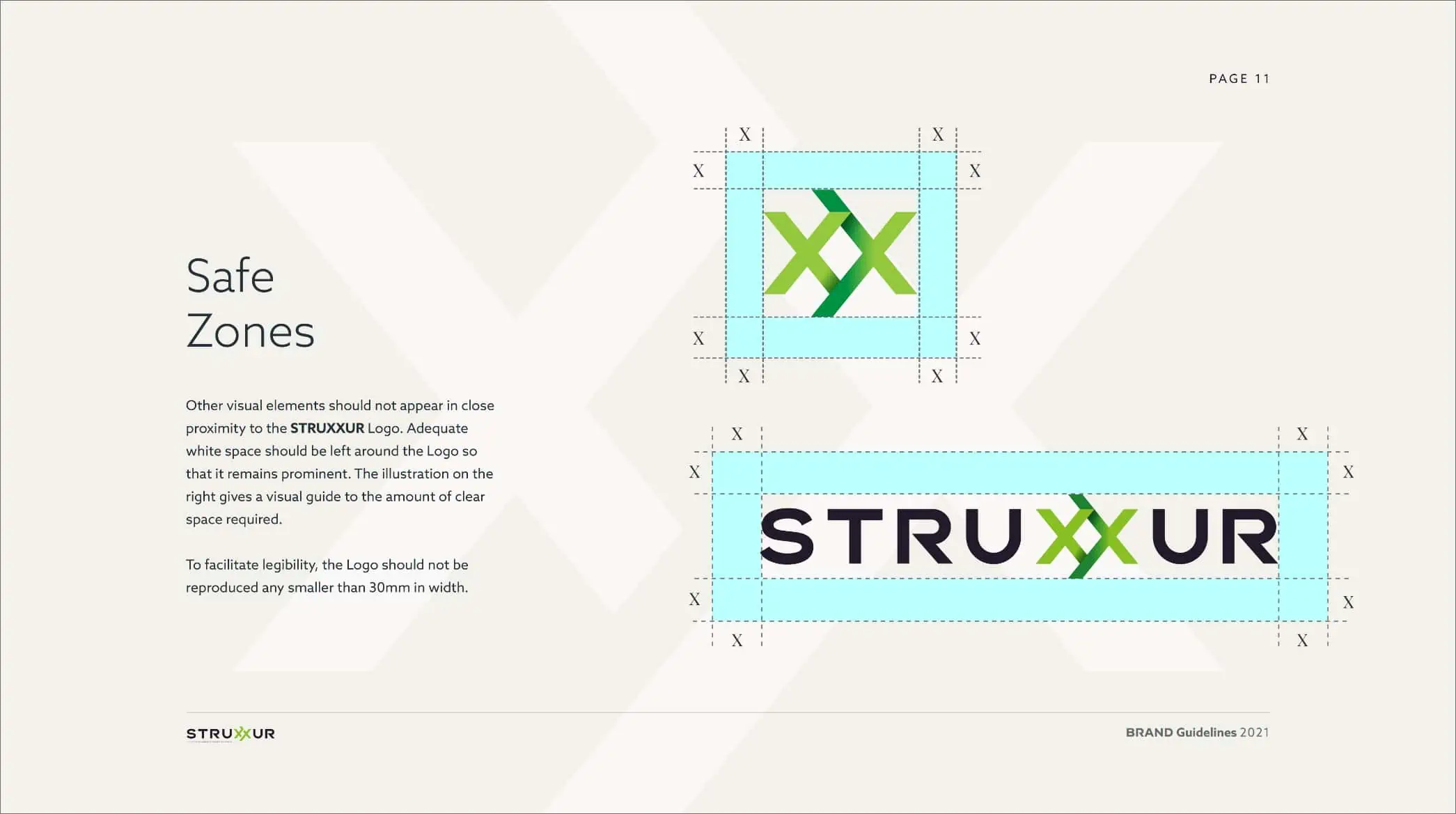
Logo Usage: Guidelines specify how the company logo should be displayed, including size, clear space, colours, and any variations of the logo for different contexts.
Colour Palette: Corporate colours are defined with specific colour codes (e.g., Pantone, RGB, CMYK) to ensure consistency in all branding materials.
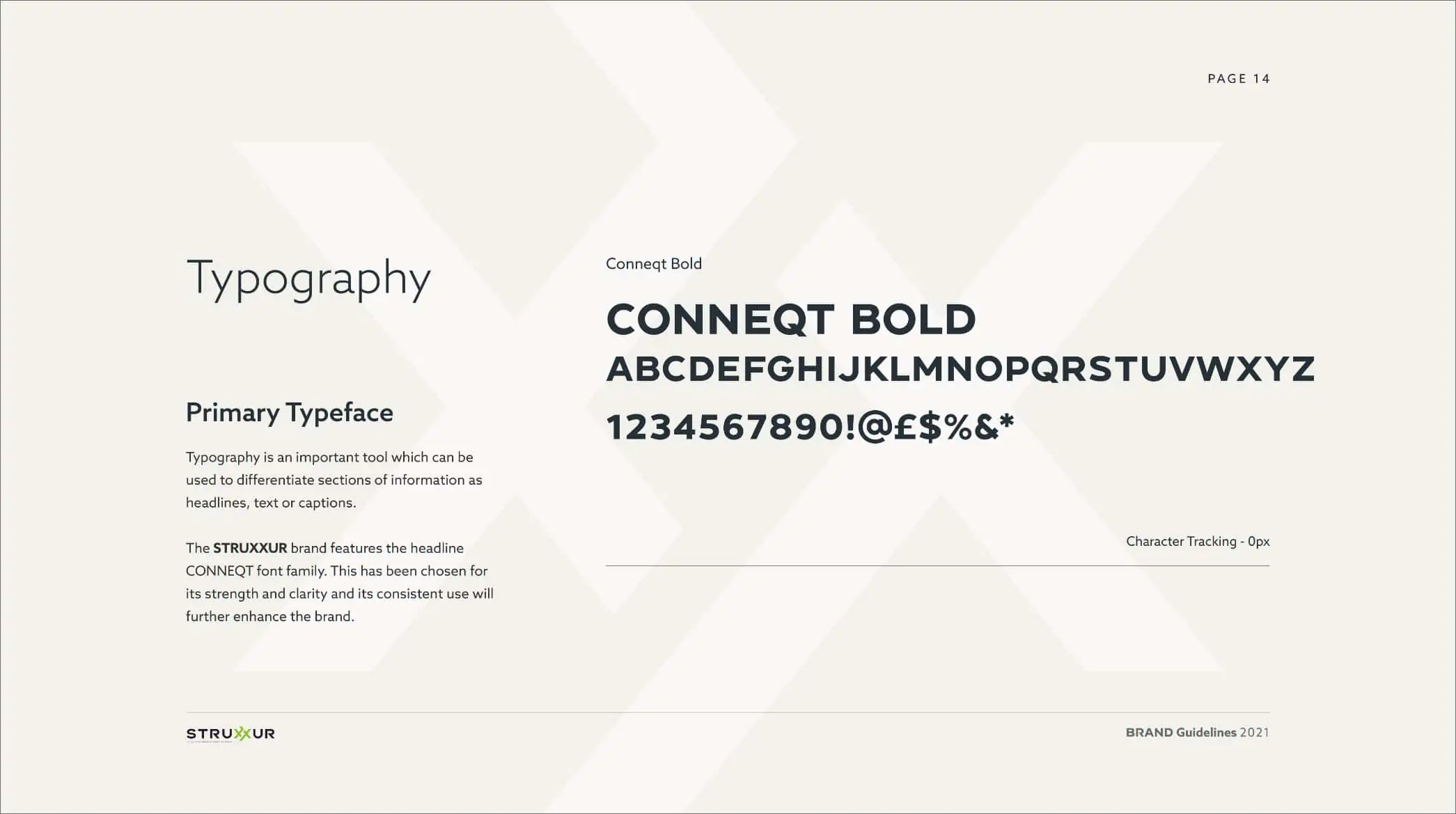
Typography: Guidelines define the typefaces or fonts to be used for various purposes, such as headings, body text, and other design elements.
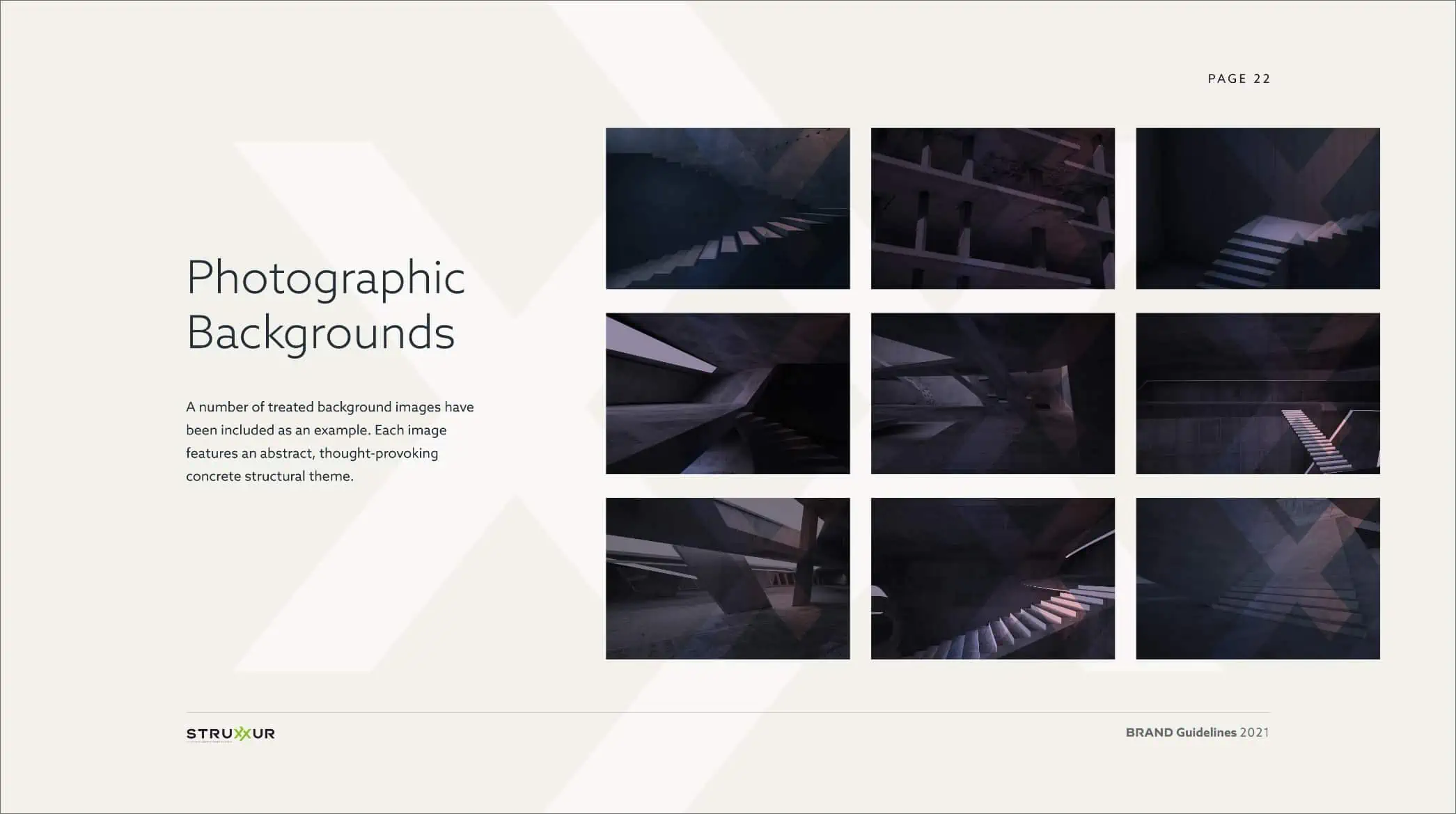
Imagery: Instructions on the use of images and photography, including the style, tone, and content that align with the brand.
Layout and Design: Instructions on how to structure and design various communication materials, including brochures, websites, advertisements, and more, to maintain a consistent look and feel.
Voice and Tone: Guidelines on the language, messaging style, and tone of written content to ensure it reflects the brand’s personality and values.
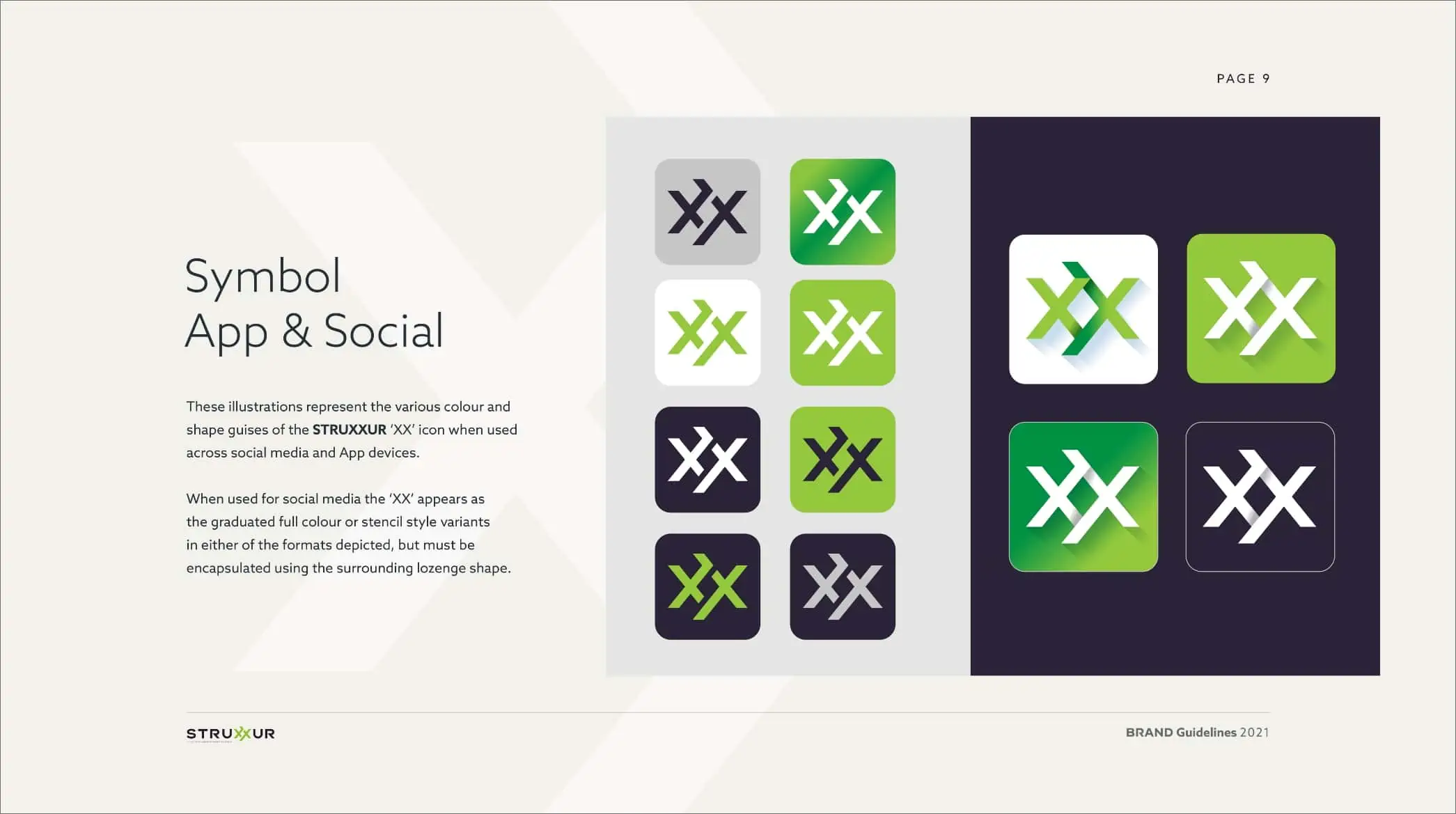
Usage of Brand Elements: Rules about how brand elements, such as icons, patterns, or graphic elements, should be used consistently.
Stationery and Collateral: Instructions for creating business cards, letterheads, envelopes, and other printed materials that represent the brand.
Digital and Online Guidelines: Guidelines for the use of the brand on websites, social media profiles, and other digital platforms.
Marketing and Advertising: Instructions for creating advertisements, promotional materials, and campaigns that align with the brand.
Signage and Environmental Graphics: Guidelines for the design and placement of signage in physical spaces, such as offices, retail stores, and events.